
Postpartum Constipation: Why It Happens + How to Get Relief Fast
Postpartum constipation is NOT fun. You just had a baby. Peeing is scary. Pooping might feel impossible.
If you’re feeling stuck—literally—you are so not alone. Postpartum constipation is incredibly common, totally fixable, and nothing to be ashamed of. The good news? With a few smart strategies, you can get relief fast (and safely).
In this post, I’ll walk you through:
Why constipation happens after birth
What actually works to get things moving
How to relieve discomfort naturally—with nutrition, movement, and smart supplements
Let’s start with the “why” so you can feel a little less stressed—and a lot more empowered.
Why Am I Constipated After Giving Birth?
Postpartum constipation after delivery is usually the result of a perfect storm of body changes and recovery realities:
Hormonal shifts: After birth, your progesterone levels drop—but they’ve been high throughout pregnancy, slowing your gut motility. It can take time to recalibrate.
Pain medications: Narcotics (especially after a C-section) can dramatically slow your digestion.
Dehydration: Labor, delivery, and breastfeeding all increase your fluid needs. Without enough water, your colon absorbs more from your stool, making it hard and dry.
Limited movement: Healing can mean lots of sitting or lying down, which stalls digestion.
Fear of pain or tearing: If you had stitches or tearing, the fear of straining can lead to holding it in.
Pelvic floor tension: A tight or weakened pelvic floor can literally make it harder to release a bowel movement.
Nutrient depletion + low fiber: Postpartum nutrition is often an afterthought—and many new moms aren’t getting enough fiber-rich foods to keep digestion running smoothly.
Signs of Postpartum Constipation
Every body is different, but here are some common signs it’s constipation—and not just “still healing” after giving birth:
You’ve had fewer than 3 bowel movements in a week
Stools are hard, dry, or pellet-like
You feel like you still need to go even after you do
You’re gassy, bloated, or crampy
Pooping requires straining or causes pain
Nutrition Tips to Relieve Constipation
As a postpartum dietitian, here’s where I get excited—because food can make a massive difference.
Fiber is your BFF: Aim for at least 30g per day. This helps bulk up stool and move things along.
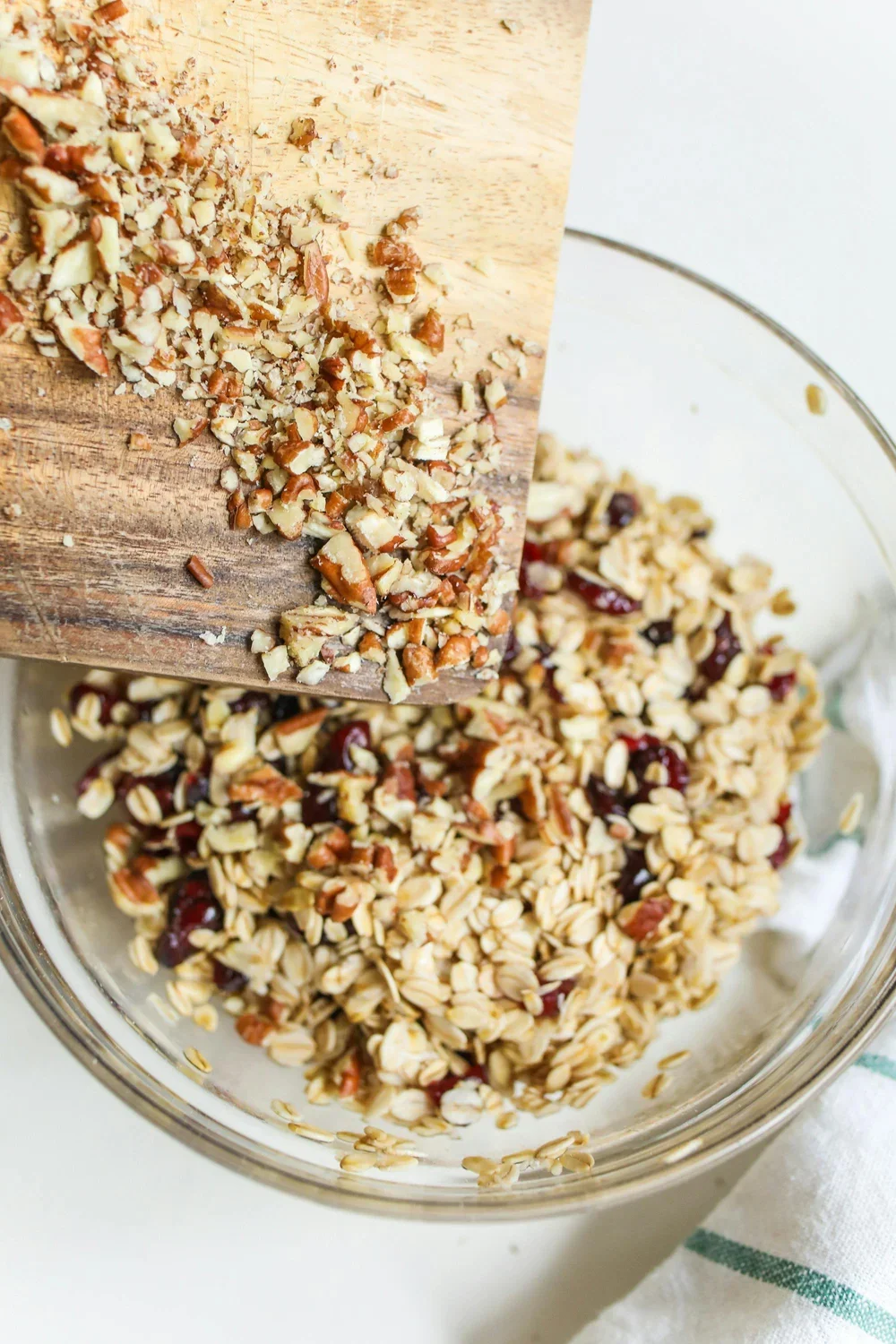
Try chia seeds, flax, oats, lentils, berries, avocado, artichoke, kiwis and apples. Here is a super simply high fiber smoothie to get you started!
Hydration is key: Especially if you’re breastfeeding. Set a goal of 100 oz of water per day and include electrolytes. I have more on electrolytes here!
Magnesium-rich foods: Think spinach, pumpkin seeds, and black beans—magnesium can naturally support bowel movements.
👉 Want meal ideas? Check out my High-Fiber Meals for Postpartum Moms.