
Postpartum Gut Health: Why It Matters and How to Restore It Naturally
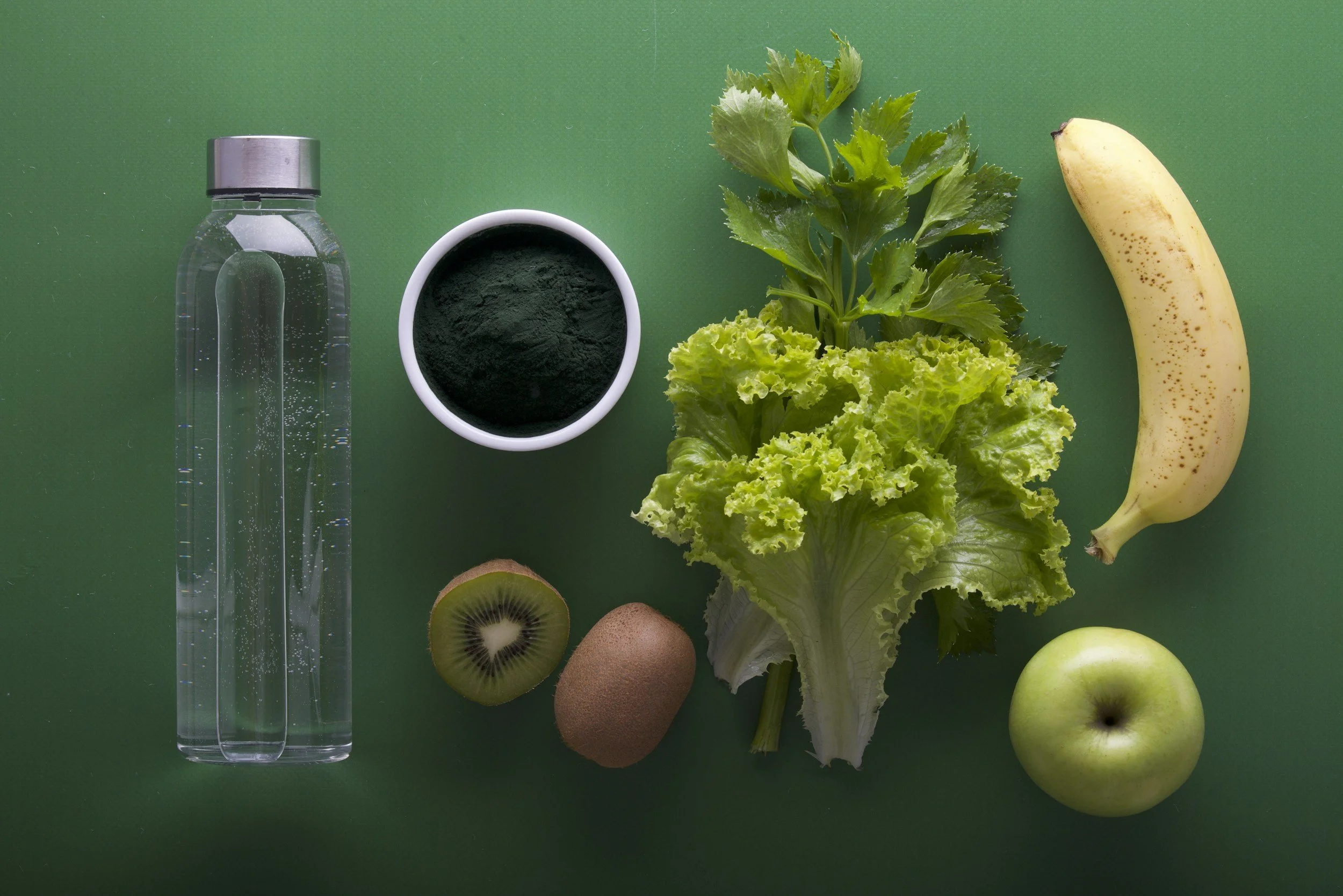
If you’ve been feeling bloated, sluggish, or “off” since having your baby, you’re not alone. Many new moms chalk up digestive issues — like constipation, irregularity, or uncomfortable bloating — to normal postpartum recovery. But often, these symptoms trace back to something deeper: your gut health.
Your gut plays a powerful role in everything from mood and energy to milk supply and hormone balance. Yet it’s one of the most overlooked pieces of postpartum recovery.
As a registered dietitian who works exclusively with postpartum women, I help moms rebuild from the inside out — starting with their gut. This post will walk you through why gut health matters after pregnancy, what disrupts it, and how to restore balance naturally through food (not fads).
Why Gut Health Matters After Pregnancy and Birth
Your gut is more than just your digestive system — it’s a central hub for immunity, hormone regulation, nutrient absorption, and even mood.
Here’s why it deserves special attention postpartum:
The gut-brain connection: About 90% of your serotonin (your “feel-good” neurotransmitter) is made in your gut. When your microbiome is imbalanced, it can contribute to mood swings, anxiety, or low energy — all common in the fourth trimester.
The impact of birth: A C-section or antibiotic use during labor can alter your gut bacteria. This imbalance, known as dysbiosis, can lead to bloating, constipation, and even increased inflammation.
Hormone shifts and stress: After birth, your hormones fluctuate dramatically, and chronic stress (or sleep deprivation) can weaken your gut lining and disrupt digestion.
When your gut is supported, everything else — your mood, metabolism, and recovery — begins to fall into place.
What Can Disrupt Gut Health Postpartum
Postpartum life is a perfect storm for gut imbalances. Even small disruptions can add up and make you feel less like yourself. Common causes include:
Antibiotic use: Necessary for infections or C-sections, but they wipe out both good and bad bacteria.
High stress and poor sleep: Raise inflammation and slow digestion.
Nutrient depletion: Pregnancy and breastfeeding increase your need for nutrients like iron, zinc, and B vitamins — all key for gut function.
Processed foods and sugar: Too many refined foods and not enough fiber feed the “bad” bacteria in your gut.
Irregular meals or dehydration: Skipping meals or drinking too little water can slow gut motility and worsen constipation.
It’s not about perfection — it’s about small, supportive shifts that fit your life as a new mom.
Signs Your Gut Might Need Support
You don’t need a fancy test to know when your gut needs extra care. The symptoms are often right in front of you:
Bloating, gas, or irregular bowel movements
Cravings for sugar or carbs
Low energy, brain fog, or poor focus
Mood swings or irritability
Skin issues or new food sensitivities
Frequent colds, infections, or slow wound healing
If these sound familiar, your body is likely asking for more nourishment — not restriction.
How to Heal Your Gut Naturally With Nutrition
Gut healing doesn’t require an extreme cleanse or expensive supplements. It starts with simple, everyday choices that nourish your microbiome.
Here’s where to focus:
Prioritize whole foods: Aim for fruits, vegetables, legumes, whole grains, and lean proteins daily. Variety feeds diverse gut bacteria.
Add fermented foods: Gradually include yogurt, kefir, sauerkraut, or kimchi. These foods naturally provide probiotics that replenish healthy bacteria.
Feed your good bacteria: Prebiotic fibers like oats, bananas, garlic, and onions act as food for probiotics.
Stay hydrated: Digestion relies on fluid. Try drinking a glass of water at every feeding.
Start gentle: Cooked veggies, bone broths, and smoothies can be easier on a sensitive gut than raw or high-fiber foods early on.
If you want guidance on easy, healing meals, grab my free 5-Day Meal Plan for Postpartum Moms. Each recipe is designed to support digestion, energy, and milk supply.
Foods to Limit While Rebalancing Gut Health
While you don’t need to eliminate entire food groups, being mindful of what might irritate your gut can help the healing process.
Consider limiting:
Ultra-processed snacks high in added sugars or artificial ingredients
Excess dairy or gluten if you notice digestive discomfort (no need for full restriction unless medically necessary)
Caffeine and artificial sweeteners, which can disrupt gut balance and hydration
Remember: the goal isn’t restriction — it’s balance. Work with a dietitian if you’re unsure what your body needs or how to adjust safely while breastfeeding.
Why Gut Health Affects Weight Loss, Energy, and Mood
Gut health doesn’t just influence digestion — it affects nearly every aspect of your postpartum well-being.
Weight and metabolism: A disrupted gut can make it harder to lose weight because of inflammation and poor nutrient absorption. Chronic bloating can also mask true progress.
Energy levels: When your gut isn’t absorbing nutrients efficiently, fatigue follows — even with enough sleep.
Mood and mental health: Up to 90% of serotonin is produced in the gut. Improving your microbiome can support mental clarity, reduce anxiety, and improve mood stability.
Many of my clients notice that when we start working on gut health, their energy, focus, and confidence improve before the scale even moves. Healing from within truly sets the foundation for everything else.
For a structured, food-first approach to postpartum weight loss and healing, explore Postpartum Reset.
FAQs About Postpartum Gut Health
Can gut health affect my milk supply?
Indirectly, yes. A nourished gut helps your body absorb nutrients and stay hydrated, which supports milk production.
Is it safe to take probiotics or digestive enzymes while breastfeeding?
Most are considered safe, but quality and strain matter. Read more in Probiotics and Breastfeeding: Are They Safe — and Do You Really Need Them?.
How long does it take to restore gut health postpartum?
You may notice changes in a few weeks, but full balance can take months depending on diet, stress, and overall health.
Do I need to cut out gluten or dairy to feel better?
Only if you notice consistent symptoms or have a diagnosed intolerance. Work with a professional before eliminating major food groups.
What’s the difference between prebiotics and probiotics?
Prebiotics feed your good bacteria; probiotics are the bacteria themselves. You need both for optimal gut health.
Final Thoughts from a Postpartum Dietitian: Gut Healing Starts With Food — Not Fads
If your digestion feels off after having a baby, you’re not broken — you’re just in recovery. Postpartum gut issues are incredibly common and absolutely fixable with the right support.
Start with food: more color, more fiber, and more consistency. Add fermented foods slowly, hydrate often, and give your body time to rebalance.
You don’t need detox teas or restrictive diets — you need nourishment, patience, and a plan that fits your season of life.
When you’re ready for more personalized guidance, I’d love to help you build a nutrition plan that supports your gut, energy, and weight goals. Join the Postpartum Collective for community-based support or begin Postpartum Reset for a step-by-step framework to rebuild from the inside out.