
Omega-3s Postpartum: Why This Essential Fat Matters More Than You Think
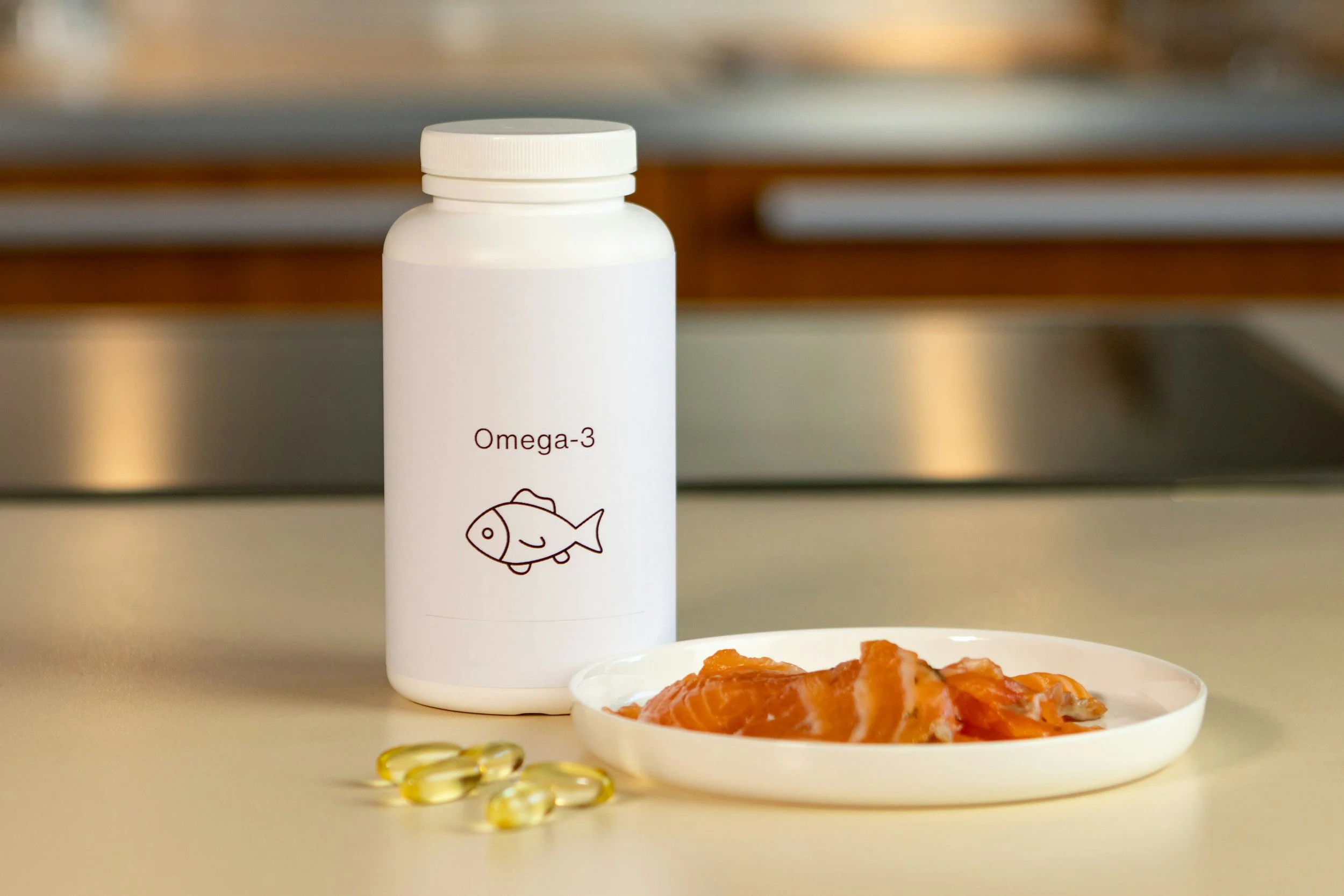
Here’s a stat that surprises a lot of my clients: most women are significantly low in omega-3 fatty acids by the time they give birth — and very few replenish those stores during postpartum recovery.
That’s a problem, because omega-3s are one of the most powerful nutrients for healing, hormone balance, and mental health after pregnancy.
Many moms are told to “eat clean” after birth — which often means cutting back on fats. But when you remove healthy fats, you lose one of your body’s strongest tools for physical and emotional recovery.
In this post, I’ll break down what omega-3s do, why they’re crucial in the postpartum period, and how to get enough through food (and, when needed, supplements) — safely and effectively.
What Are Omega-3s and Why Do They Matter Postpartum?
Omega-3 fatty acids are essential fats — meaning your body can’t make them on its own. The three main types are:
EPA (eicosapentaenoic acid) – supports anti-inflammatory and immune functions
DHA (docosahexaenoic acid) – essential for brain, eye, and nervous system health
ALA (alpha-linolenic acid) – found in plant foods but less efficiently converted into EPA and DHA
During pregnancy, your baby draws heavily from your DHA stores for brain and nervous system development. This often leaves moms depleted — and unless you intentionally replenish those nutrients postpartum, you may continue feeling foggy, fatigued, or emotionally drained.
Omega-3s are critical for:
Reducing inflammation and aiding recovery
Supporting hormone and neurotransmitter balance
Improving focus, mood, and mental clarity
Enhancing your baby’s brain development (if breastfeeding)
Simply put, replenishing your omega-3s helps your body and mind reset after one of the most intense experiences it’s ever gone through.
How Omega-3s Support Postpartum Recovery and Health
Healthy fats are not the enemy — they’re your ally in postpartum healing. Omega-3s in particular have far-reaching benefits for both mom and baby:
Reduce inflammation: Whether you had a vaginal birth or C-section, your body is healing from significant tissue stress. Omega-3s help calm inflammation and speed recovery.
Support mental health: Low DHA levels are linked to a higher risk of postpartum depression and anxiety. Increasing intake can help support mood regulation and cognitive function.
Balance hormones: These fats act as building blocks for hormones, helping stabilize the fluctuations common in the fourth trimester.
Enhance breast milk quality: DHA from your diet transfers directly to your breast milk, supporting your baby’s developing brain and eyes.
If you’ve been feeling mentally foggy or emotionally flat postpartum, omega-3s may be part of the missing puzzle — alongside other key nutrients like protein and choline.
You can learn more about rebuilding your nutritional foundation in Postpartum Nutrition Plans 101: Support Recovery and Weight Loss.
Signs You Might Be Low in Omega-3s
Omega-3 deficiency is common, but often overlooked. You might not know you’re low unless you notice subtle symptoms like:
Mood swings, brain fog, or increased anxiety
Dry skin or brittle hair and nails
Achy joints or stiffness
Fatigue even after rest
Difficulty focusing or memory issues
If several of these sound familiar, your body could be signaling that it needs more healthy fats.
The Best Omega-3 Food Sources for Postpartum Moms
You don’t have to overhaul your diet to improve omega-3 intake — just add a few key foods regularly.
Best animal-based sources (EPA + DHA):
Salmon, sardines, mackerel, anchovies, trout (aim for 2 servings per week)
Pasture-raised eggs labeled with added omega-3s
Cod liver oil (choose high-quality, tested brands)
Best plant-based sources (ALA):
Chia seeds, flaxseeds, walnuts, hemp seeds
Seaweed or algae-based options for vegetarian or vegan diets
Meal ideas:
Chia pudding with almond milk and berries
Salmon and avocado salad with olive oil dressing
Greek yogurt topped with ground flaxseed and walnuts
Veggie scramble with omega-3 eggs
If you’re looking for more postpartum-friendly recipes that balance healthy fats, protein, and fiber, download my free 5-Day Meal Plan for Postpartum Moms.
What About Omega-3 Supplements? Are They Safe While Breastfeeding?
Yes — most fish oil and algae-based omega-3 supplements are considered safe and effective during breastfeeding. They can help fill nutritional gaps when it’s hard to meet needs through food alone.
Here’s what to keep in mind:
Choose third-party testedbrands (NSF, USP, or IFOS certified).
Look for at least 300–600 mg DHA per day, depending on your diet.
Avoid supplements with added herbs, artificial colors, or sweeteners.
Opt for algae-based omega-3s if you’re vegetarian or sensitive to fish.
Supplements should support, not replace, a nutrient-rich diet. For help picking a brand and dose that’s right for you, I can guide you inside The Postpartum Collective or through a personalized consult.
Why Food-Based Omega-3s Are More Effective Long-Term
While supplements are useful, whole foods offer synergistic benefits that pills can’t replicate.
For example, fatty fish not only provides omega-3s but also vitamin D, selenium, and protein — all essential for postpartum recovery. Similarly, nuts and seeds offer fiber and antioxidants that support your gut health and hormone balance.
Building your nutrition around real, whole foods helps:
Improve nutrient absorption
Stabilize blood sugar and energy
Encourage consistent eating habits (instead of quick fixes)
As I tell my clients inPostpartum Reset: supplements can fill gaps, but food does the heavy lifting.
FAQs About Omega-3s and Postpartum Health
Can omega-3s help with postpartum depression or anxiety?
Research suggests that higher omega-3 intake — especially DHA — may reduce the risk or severity of mood disorders postpartum. It’s not a cure-all, but it’s an important support nutrient.
How much omega-3 do I need per day while breastfeeding?
Most guidelines recommend at least 300–500 mg of DHA daily for lactating women.
Are fish oil supplements safe while nursing?
Yes, as long as they’re third-party tested for purity and free from heavy metals like mercury.
What if I don’t like fish — can I still get enough omega-3s?
Yes! Algae-based supplements and ALA-rich foods like chia seeds and walnuts can help bridge the gap.
Is there a difference between flaxseed oil and fish oil?
Flaxseed oil contains ALA, which your body must convert to DHA and EPA — but this process is inefficient. Fish or algae-based sources are more potent and direct.
Final Thoughts from a Postpartum Dietitian: Omega-3s Are Essential — But Don’t Go It Alone
Omega-3s are one of the most valuable — and underappreciated — nutrients for postpartum healing, mental clarity, and long-term health.
By replenishing your stores through food first (and supplements when needed), you can support your mood, reduce inflammation, and enhance both your recovery and your baby’s development.
But remember: you don’t have to figure this out alone. A personalized plan ensures you’re getting the right balance of nutrients for your body, lifestyle, and feeding journey.
ExplorePostpartum Reset for a step-by-step framework to nourish your recovery, or join The Postpartum Collective for ongoing guidance and community support.