
Probiotics and Breastfeeding: Are They Safe — and Do You Really Need Them?
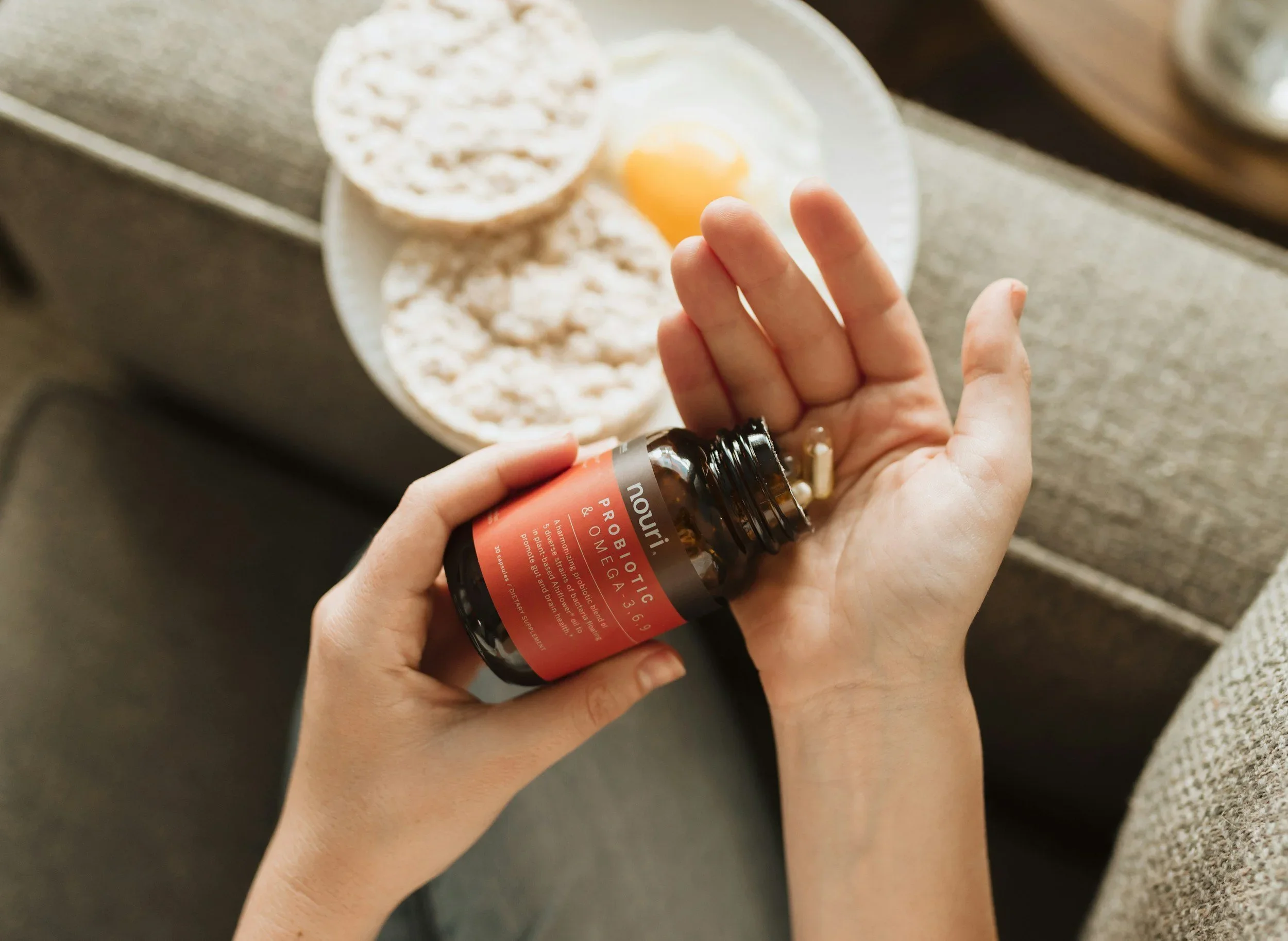
One of the most common questions I hear from new moms is, “Should I be taking probiotics while breastfeeding?”
With so much talk about gut health and microbiomes on social media, it’s easy to feel like you’re missing out on something important — or, worse, that your recovery might depend on taking a supplement.
As a registered dietitian specializing in postpartum health, I want to help you sort through the noise. In this post, we’ll break down what probiotics actually are, when they can help (and when they’re not necessary), and how to choose a safe, effective option for you and your baby.
What Are Probiotics — and How Do They Work?
Probiotics are live, beneficial bacteria that support your gut microbiome — the community of microorganisms that live in your digestive tract.
These “good bacteria” play several important roles in your health, including:
Supporting digestion and nutrient absorption
Enhancing immune function
Reducing inflammation and supporting gut barrier integrity
You can get probiotics from foods like yogurt, kefir, sauerkraut, kimchi, miso, and kombucha, or through supplements.
For postpartum women, gut health plays a surprisingly important role in recovery. A balanced microbiome can help reduce bloating and constipation, regulate mood, and even support your immune system during a time when your body is under stress.
To better understand the role of nutrition in postpartum recovery, check out Postpartum Nutrition Plans 101: Support Recovery and Weight Loss.
Are Probiotics Safe While Breastfeeding?
Good news — most probiotics are considered safe during breastfeeding. Many strains have been studied in lactating women and are classified as generally recognized as safe (GRAS) by the FDA.
In fact, some probiotic strains may even pass through breast milk, where they can help establish your baby’s gut microbiome. Early research suggests this can support digestion and immune function in infants, particularly those born via C-section or exposed to antibiotics early in life.
However, it’s important to remember that not all probiotics are created equal. Safety and effectiveness depend on:
The specific strain (different strains do different things)
The dosage and viability (live bacteria counts at expiration)
The quality control of the brand
When in doubt, look for third-party testing and consult with a dietitian or your healthcare provider before starting any new supplement — especially while breastfeeding.
When Probiotics Might Be Helpful Postpartum
You might consider adding a probiotic if you’re dealing with any of the following:
After antibiotics: If you had a C-section, mastitis, or other infection, antibiotics can disrupt your gut balance. Probiotics may help restore healthy bacteria and prevent digestive upset.
Digestive issues: Persistent bloating, gas, constipation, or IBS symptoms are signs your gut may need extra support.
Mental health support: Research is emerging on the “gut-brain axis” and its connection to anxiety and depression — something many postpartum women struggle with.
Baby’s digestion: Some studies suggest certain probiotic strains in mom’s diet may help ease colic or reflux in breastfed babies.
If you’re unsure whether probiotics might help in your situation, I walk clients through these factors in my Postpartum Collective, where we create personalized plans for nutrition and recovery.
When You Might Not Need Probiotics
Not everyone needs to supplement — and more isn’t always better.
You may not need probiotics if:
You eat a fiber-rich, whole-food diet with fermented foods like yogurt, sauerkraut, or kefir.
You haven’t taken antibiotics recently.
You have no digestive or immune issues.
Your provider hasn’t identified a gut-related concern.
In many cases, you can support gut health naturally by increasing fiber, hydration, and prebiotic foods (like bananas, oats, garlic, and onions), which feed your existing good bacteria.
Probiotics can be a great tool — but they’re not a cure-all. Think of them as one piece of a bigger wellness plan that starts with food, not pills.
Food vs. Supplement: What’s the Best Way to Get Probiotics?
Both food and supplements can play a role in maintaining gut health, but they work differently.
Food sources — like yogurt, miso, kimchi, kefir, and kombucha — provide live bacteria in smaller doses along with other beneficial nutrients. They’re a gentle, everyday way to keep your gut balanced.
Supplements, on the other hand, contain specific bacterial strains in higher doses and can be more effective for targeted issues (like after antibiotics or with persistent bloating).
For most new moms, starting with probiotic-rich foods is a great first step. If symptoms persist or you’ve had recent antibiotic exposure, that’s when adding a supplement may be worth exploring.
Choosing a Safe and Effective Probiotic While Breastfeeding
When it comes to supplements, quality and safety matter — especially when you’re breastfeeding. Here’s what to look for:
Third-party tested brands (like NSF or USP certified)
Clearly labeled strains, not just “probiotic blend”
No artificial sweeteners, caffeine, or herbal additives
Viable CFUs (colony-forming units) guaranteed through expiration
Refrigerated or shelf-stable formulations depending on storage needs
Every body is different, so it’s best to choose a probiotic based on your individual health history and symptoms. If you’re curious about which brands I trust, I share safe options inside my Postpartum Reset and in one-on-one consults.
FAQs About Probiotics and Breastfeeding
Will probiotics improve my baby’s digestion through breast milk?
Some strains (like L. rhamnosus and B. lactis) may pass into breast milk and support your baby’s gut health, though research is still evolving.
Can probiotics affect my milk supply or hormones?
There’s no evidence that probiotics impact milk supply directly. However, improving gut and nutrient absorption can indirectly support your energy and hormone balance.
Should I give probiotics to my baby directly?
Some pediatricians recommend infant probiotics for colic or digestion, but always check before giving any supplement to your baby.
How long should I take probiotics postpartum?
If you’re using them for digestive support or post-antibiotic recovery, a few weeks to a few months may be helpful. For general wellness, probiotic-rich foods can be part of your long-term diet.
Can probiotics help with postpartum depression or anxiety?
Early research links gut health to mood, but probiotics are not a replacement for therapy, medication, or professional care. They may be supportive as part of a holistic plan.
Final Thoughts from a Postpartum Dietitian: Probiotics Can Help — But Only If They’re the Right Fit for You
Probiotics can be a valuable tool for recovery, digestion, and overall postpartum health — but they’re not a magic fix. The foundation always starts with nourishing, balanced meals, hydration, and rest.
If you’re curious about whether probiotics could help you, start by improving your gut-friendly nutrition and tracking how you feel. Then, if needed, layer in a high-quality supplement with professional guidance.
You don’t have to figure it all out alone. I can help you build a personalized plan that supports your digestion, energy, and milk supply — without guesswork. Explore the Postpartum Collective for community-based guidance or join the next Postpartum Reset to rebuild your health from the inside out.